


Presence is not a single state, but a journey we make inside ourselves. Most of us have moments when we feel truly here—awake to our surroundings, aware of our bodies, present to our emotions and thoughts. But these moments come and go. Often, life sweeps us back into distraction, old habits, or even emotional fog. So what does it really mean to cultivate presence? How do we touch deeper clarity? And, equally important, how do we sustain this presence as a steady companion, not just a fleeting guest?
The many layers of presence
We believe that presence starts simply: with attention. But the journey does not end there. Presence can deepen, taking us through several layers that give us more clarity, space, and conscious choice in life.
At its surface, presence is simply being aware of the present moment. We notice where we are, what we are doing, or how our feet feel against the floor. Yet, with each deeper level, a wider field of clarity opens up. We can think of these levels as:
- Sensory presence: Awareness anchored in the body and senses.
- Emotional presence: Openness to feelings, without pushing them away or letting them rule us.
- Cognitive presence: Clear observation of thoughts and mental patterns.
- Relational presence: Awareness in connection—with others, with life itself.
- Existential presence: A sense of meaning, choice, and responsibility for our place in the world.
Each level connects with the others. For example, when we are lost in thought, we may not notice our tense shoulders or a deep sense of worry. When we develop our presence in all these layers, we gain freedom to act instead of simply react.

Why clarity depends on presence
Have you noticed how, when we really listen to ourselves, decisions become lighter to make? This is because clarity comes naturally when layers of distraction or numbing fall away. We see situations as they are. We sense an emotion for what it is. Presence clears the lens through which we see and experience our lives.
Without presence, our mind can become cloudy. Emotions push or pull us without our noticing. Sensations in the body turn up as aches or fatigue that we simply ignore. But as we practice being fully present, we notice sooner when something asks our attention. This is a small but deep shift.
Clarity is not about certainty. It is about seeing what is here, right now.
How we lose and regain presence
We all know what it feels like to be somewhere but not really be there. Maybe we check our phones during a conversation, eat mindlessly, or go through familiar routines while thinking ahead to the next task.
Here are some common ways presence fades away:
- Getting caught up in repetitive thoughts.
- Feeling overwhelmed by emotion and tuning out.
- Over-focusing on the past or future instead of the now.
- Distracting ourselves from discomfort or restlessness.
Yet, presence can always be restored. In our experience, sometimes it returns with a long breath, a look out the window, or even naming what is true for us in the moment. Each person’s way may look a little different, but the path is always one of gentle attention.
Simple gateways to deeper presence
We have found that the path to deeper presence is surprisingly simple, though not always easy. Over the years, we have relied on a handful of gateways that can help anyone go further than just “being here.”
- Breathe and notice the body. The breath is always with us, and the body holds endless information. Pausing to feel our breath or the contact of our body with the ground brings us back to sensory presence.
- Allow emotions to be named. It is common to want to control or push away difficult feelings. But by saying, “I feel sad,” or “There is worry,” we bring these emotions into the light of awareness. When named, emotions lose some of their grip and become part of our experience—not something to fight.
- Witness thoughts, don’t chase them. The mind is always active, but we don’t have to follow every train of thought. By seeing thoughts as mental events instead of truth, we develop cognitive presence.
- Ground in connection. Sometimes, sharing presence with another—by really listening or being seen—helps us access a new level of clarity. We remember we are not alone.
- Notice patterns gently. We all have familiar ways of reacting. When we notice, without judgment, “Ah, I always freeze when this happens,” we give ourselves more choice.
Presence grows stronger each time we return to it. The wonder is that even a brief pause, a real breath, can reset our inner compass.
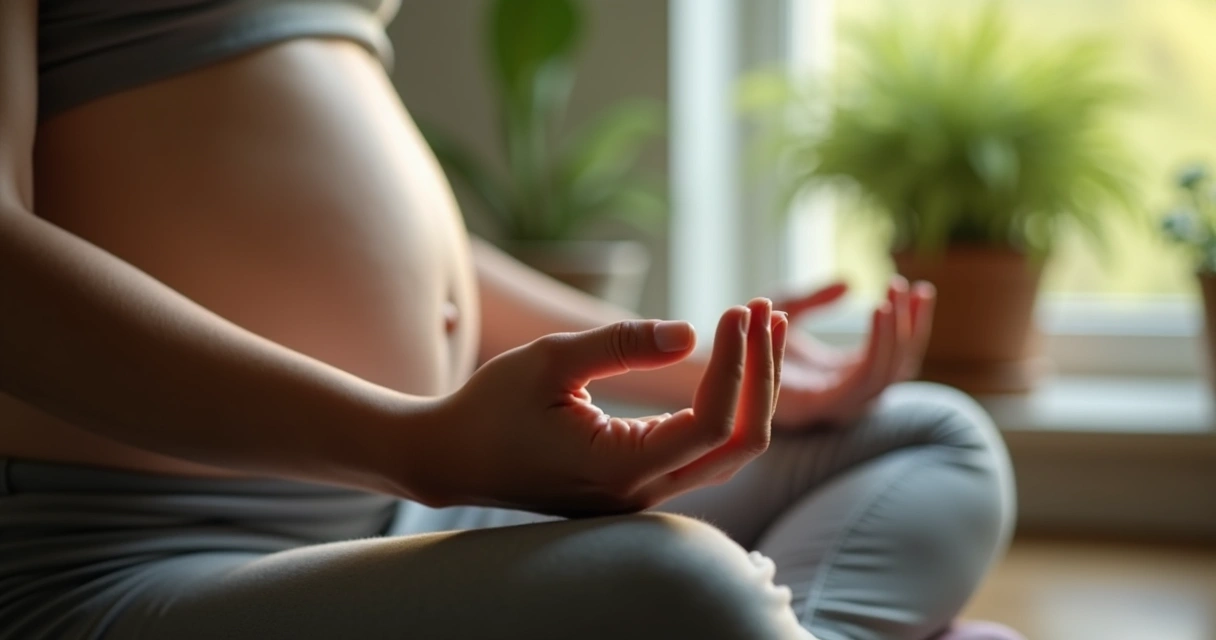
Sustaining presence in daily life
Accessing presence is one process, but sustaining it in the flow of daily life asks for more. We have found that the key is not in holding perfect stillness, but in remembering and returning—a hundred times a day, if need be.
- Build small rituals. See if you can create moments of presence before meals, when starting and ending the day, or during short transitions.
- Notice when you leave. Most of us know the moment we slip out of presence—tension rises, impatience grows. Treat these as gentle reminders to pause and return.
- Be patient and kind. No one is present all the time. What matters is the willingness to notice and try again.
Return to presence—again and again. This is how clarity is seeded and grown.
Presence as a source of meaning and maturity
We see presence not only as a tool for calm, but as the foundation for maturity. When we bring conscious awareness to our patterns, choices, and relationships, we become more able to act with responsibility and freedom. We stop running on autopilot. This is the deeper clarity: seeing our life as it truly is, choosing how to respond, and holding ourselves with gentle respect.
As we walk together on this path, presence can move from a practice to a way of being—one that infuses daily life with coherence, alignment, and meaning.
Conclusion
Presence has levels, and each brings us closer to a genuine clarity about who we are and how we move through life. The art is not perfection but willingness: to notice, return, and receive what each moment has to show. Through steady practice and self-kindness, we find not only deeper clarity, but also a more connected, conscious, and meaningful journey.
Frequently asked questions
What are the levels of presence?
The levels of presence move from simple awareness of bodily sensations to emotional openness, mental clarity, relational connection, and a sense of existential meaning. Each level allows us to see and respond to life with greater depth and choice.
How to access deeper clarity?
To access deeper clarity, we suggest starting with the body—feeling the breath and sensations—then gently naming emotions, noticing thoughts without attachment, and bringing awareness to how we relate to ourselves and others. As we practice this, clarity grows from within.
How can I sustain deeper presence?
We can sustain deeper presence by creating small rituals, pausing to return to the present when we notice distraction, and treating ourselves with patience when attention drifts. Over time, presence becomes a natural state we can return to again and again.
Why is presence important for clarity?
Presence puts us in direct contact with what is happening right now. Without it, we are more likely to act from habit or confusion. With presence, our awareness sharpens and we see our experience with openness and honesty.
What practices help deepen presence?
Practices that help deepen presence include mindful breathing, body scans, gentle emotional naming, observing thoughts as they come and go, and sharing awareness with others. Even brief check-ins with ourselves throughout the day can help presence and clarity take root.