

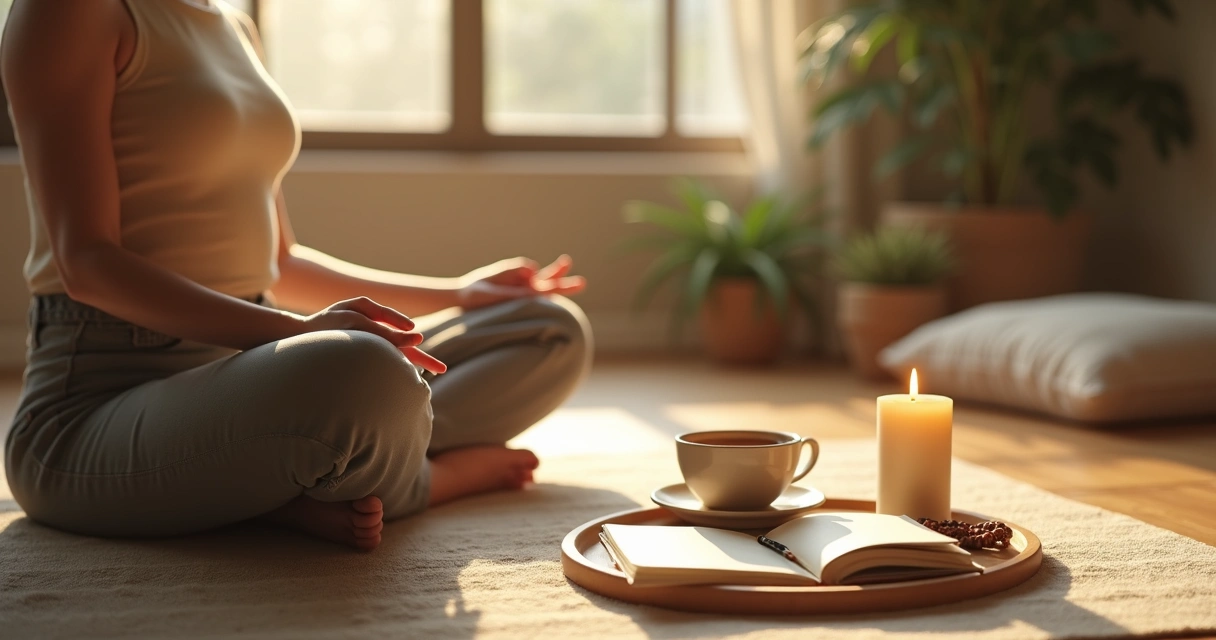
In a world filled with constant demands and distractions, we find that creating meaningful rituals allows us to slow down and reconnect with ourselves. We believe that rituals aren’t about superstition or routine for its own sake, but about finding practical ways to pause and become present in our daily lives. Through rituals, we have the chance to explore our thoughts, untangle emotions, and gain insight into who we are—one intention at a time.
Why rituals matter for reflection and presence
When we talk about rituals, we mean intentional practices that draw our attention into the present. Unlike habits, which often happen on autopilot, rituals are conscious and purposeful. They become anchors that help us shift from a reactive mindset to one that is aware and engaged.
We have noticed that giving our actions some structure can make self-reflection feel less abstract and more real. A ritual might be as simple as lighting a candle or as elaborate as an evening of journaling, but the point is always the same: to return to ourselves, here and now.
The most simple ritual can open a door to deep inner presence.
Reflective rituals have many benefits, including:
- Creating a sense of structure in emotional and mental self-care
- Giving us a pause before reacting to stress or strong emotions
- Inviting us to acknowledge our feelings and thoughts
- Helping to build a more mature, responsible relationship with ourselves
The elements of an effective ritual
Through our experience, we have found that building a ritual for reflection and presence involves just a few key elements. Anyone can start, and these are not about perfection, but about intention.
- Intention: Give the ritual a specific purpose. Are we seeking clarity about a decision, or trying to process an emotion?
- Consistency: Choose a frequency that feels sustainable—daily, weekly, or even just when needed.
- Symbolic acts: Add small gestures (lighting a candle, sitting in a favorite spot, etc.) to mark the transition into reflection.
- Safe space: Find a physical or mental environment where we can be uninterrupted.
- Presence: Bring full attention, letting go of distractions and multitasking for a few moments.
These elements help us create a container for reflection. They signal to our brain that it’s time to slow down, look inward, and be honest with ourselves.
Steps to create your own personal reflection ritual
We believe that rituals should feel personal and meaningful, not forced. Here is one way we have guided others—and ourselves—to create a ritual that fits unique needs:
- Choose your purpose. Decide what you want your reflection ritual to support. Is it to review your day, prepare for a challenge, or simply touch in with your emotions?
- Select a time and place. Prefer the morning, when everything is still quiet, or the evening to process the day’s experience? Find a spot that feels inviting and safe.
- Bring in a symbol or anchor. Light a candle, sip a special tea, wrap up in a blanket—these actions can help mark a gentle boundary between “outside” and “inside” space.
- Begin with presence. Close your eyes. Breathe deeply. Notice the sensations in your body and the flow of your thoughts. Set the intention for this moment.
- Reflect with curiosity. Ask yourself questions, such as: How am I feeling? What am I carrying from today? What do I want to let go, or hold onto?
- Express and release. Journal, speak out loud, draw, or simply notice your thoughts. There is no right or wrong way—what matters is expressing your inner world.
- Close with gratitude or acceptance. Finish by acknowledging what came up, and gently returning to your daily life.
Each step is a chance to listen—not just to our thinking mind, but also to our emotions and physical sensations. Over time, the ritual becomes a trusted anchor, especially on difficult days.

Examples of simple rituals for reflection and presence
There’s no single way to create a ritual. We have seen many simple and effective examples, such as:
- Morning grounding: On waking, place both feet on the floor, take three slow breaths, and ask, “How do I want to show up today?”
- Evening closure: Write one line in a notebook about your day, then place the notebook closed and pause to breathe out your thoughts.
- Emotion check-in: When feeling unsettled, stop, count to five while breathing deeply, and ask, “What am I feeling right now?”
- Silent walks: Walk in nature with your phone off, quietly noticing the sights and sounds, and tuning in to your internal state.
- Weekly review: Once a week, set aside ten minutes to reflect on your choices, patterns, and hopes for the coming days.
One small ritual, repeated, can change how we see ourselves.
Notice that these rituals anchor us in the present, encourage gentle attention, and help us to carry that presence into the rest of our activities.
Integrating rituals into daily life
As we introduce rituals, we often face obstacles—time, self-judgment, or forgetting. In our experience, it helps to keep expectations gentle. The “success” of a ritual doesn’t depend on its length or perfection, but on our willingness to truly be present.
Here are some ways to nurture rituals:
- Start small. Even two minutes can make a difference if we are truly attentive.
- Link rituals to existing habits (e.g., after brushing teeth, or before starting work).
- Allow rituals to evolve as our needs change. Flexibility keeps them alive and meaningful.
- Bring self-compassion if a day is missed. The intention is what matters most.
Consistency grows from compassion, not self-criticism.
Conclusion
Creating rituals for personal reflection and presence is not about building another set of rigid rules, but about honoring ourselves enough to pause and listen. We have seen the peace and clarity that come from these practices—whether they last three minutes or thirty. By setting aside time for reflection, we become more able to make conscious choices and to live with a sense of purpose and presence.
Each ritual is a small commitment to self-awareness. Over time, these moments build a path to maturity—not by removing challenges, but by teaching us to meet them with open eyes and a grounded heart.
Frequently asked questions
What is a personal reflection ritual?
A personal reflection ritual is a conscious practice in which we set aside time and space to check in with our thoughts, feelings, and experiences. It often involves simple, intentional actions—like writing, sitting quietly, or using a physical object—that help us focus on the present and gain clarity about ourselves.
How do I start a reflection ritual?
To start a reflection ritual, choose a quiet space and a specific time that works for you. Decide on a small action or gesture to mark the beginning, such as lighting a candle or taking a few deep breaths. Set an intention for your ritual, and simply allow yourself to be present with whatever thoughts or feelings arise. There’s no need for elaborate steps—consistency and sincerity matter most.
What are examples of daily rituals?
Some daily rituals for reflection include morning breathing exercises, writing a short journal entry at night, pausing to feel your feet on the ground before leaving home, or briefly closing your eyes and tuning into your emotions during a lunch break. These small choices help build presence into ordinary routines.
How can rituals improve presence?
Rituals help improve presence by creating a mindful pause in daily life, where we intentionally shift our attention to the here and now. Through repeated practice, rituals train us to notice thoughts and emotions as they arise, allowing us to respond with greater awareness instead of reacting automatically.
Is it worth creating personal rituals?
Yes, creating personal rituals is often very rewarding, as it brings more awareness, clarity, and grounding into everyday life. Even small rituals can lead to greater self-understanding, resilience, and a deeper sense of connection with ourselves over time.