

How well do we truly know ourselves—our choices, emotions, patterns? For many, daily life moves so quickly that real self-reflection gets pushed aside. Yet, building a habit of daily self-reflection can bring greater awareness, resilience, and clarity to our lives. In our experience, this habit is a key step on the path toward a more conscious and responsible journey.
Why self-reflection matters in everyday life
Pausing to reflect each day is not only a personal growth practice. Research shows that it can lead to better outcomes at work, in education, and in well-being. One randomized study found that undergraduate students who took just a few minutes daily to reflect on self-care experienced less stress and negative feelings. Another study showed leaders who reflected daily performed almost 23% better. Daily self-reflection can help us process emotions, learn from patterns, and strengthen our ability to make conscious choices.
What daily self-reflection really means
We see self-reflection as more than just thinking over the day. It means observing our emotions, thoughts, and motives with honesty. It does not mean judging ourselves for what happened, or trying to erase difficult feelings. Instead:
- We notice how we felt and responded to situations.
- We recognize repeating patterns or choices.
- We ask what those moments reveal about our deeper selves.
Self-reflection is about turning curiosity inward, not creating stories or excuses, but understanding the roots of our experience. It is this daily pause, not a once-a-year exercise, that builds clarity over time.
Setting the foundation for your daily habit
Before we get into specific steps, it helps to set our expectations and environment for successful daily reflection. Here’s what we have found helps the most:
- Commit to consistency over perfection: Even a few minutes daily is better than long, rare sessions. Show up, even on messy days.
- Select a time and space: Pick a time when you can be undisturbed—mornings, lunch break, or before sleep. Try to reflect in the same physical space, as the brain associates habits with locations.
- Decide on your reflection tool: Some prefer writing in a notebook, others use digital apps, and some speak aloud or simply sit in quiet thought. What matters is finding what works for us and sticking with it.
Show up for yourself, every single day.
If you miss a day, gently call yourself back the next. Avoid punishment. Growth happens over time.
Step-by-step: How to build daily self-reflection habits
Let’s move from theory to practice. Here’s how we recommend building a sustainable daily reflection habit, even if life feels hectic.
1. Start small
Many of us give up because we try too hard at first. Instead of setting big, complex goals, try starting with two or three minutes. Sit quietly, breathe, and ask: “What did I feel most strongly today?”
2. Use prompts for deeper insight
Simple reflection questions can keep you from getting stuck. We suggest prompts like:
- What moment today stands out to me, and why?
- When did I feel most challenged, and what was behind it?
- What choices did I have, and which did I make?
Prompts should help us gently uncover insight, instead of guiding us to judge or rewrite our stories.
3. Make it tangible
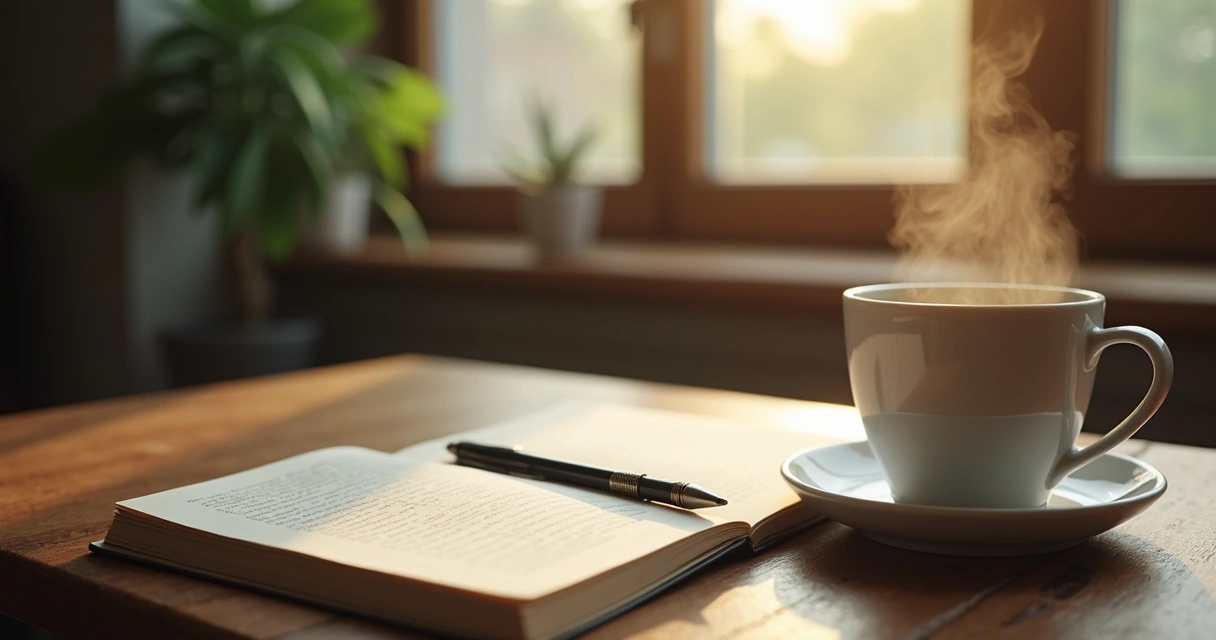
Writing is a powerful friend to self-reflection. Studies with clinical students show that those who reflect daily through writing can understand their experiences more fully and improve self-assessment skills. We find the same. Whether it’s two sentences or a full page, get your thoughts out. If writing isn’t for you, consider voice notes or audio journals.
4. Connect your day with your goals and values
Over time, we start to spot patterns—moments when our day matched what matters to us, or did not. In a study with students, about 20% set new growth goals right after daily reflection, leading to stronger outcomes.
Ask:
- Did my choices today line up with my values?
- What small change can I make tomorrow?
5. Celebrate progress and review gently
Self-reflection is the long game. Every month or so, review your entries or thoughts. Where have you grown more aware or clear? Small wins matter. Even noticing one repeated emotional pattern is progress.
Growth is seeing what we could not see yesterday.
Adapting your practice when it gets tough
Everyone hits walls. Stressful times can make it harder to keep up with personal habits, and self-reflection can stir up discomfort. If this happens:
- Scale your habit back—perhaps just asking yourself one gentle question a day.
- Switch your format temporarily, for example, from writing to a spoken reflection.
- Lean on structure—try scheduled prompts.
Over time, reflecting even when we do not feel like it builds inner strength and emotional flexibility. Self-reflection helps us respond rather than react, even during challenging periods.

How to keep self-reflection sustainable
The value of self-reflection becomes clear with regular practice. From what we have seen, a few strategies help this habit last:
- Attach reflection to an existing habit (such as after brushing your teeth or after dinner).
- Reward yourself for staying consistent, even if just a mental “well done.”
- Keep your tools (journal, app, prompts) visible and easy to reach.
- Share or discuss reflections with a trusted friend if you like outside perspective.
The real measure of self-reflection is not how often we do it, but how it shapes the way we view ourselves and our choices.
Conclusion
Daily self-reflection is not reserved for philosophers or leaders—it is for anyone who wishes to live more thoughtfully and responsibly. By committing to small, steady steps, choosing supportive tools, and being compassionate with ourselves, we can build a habit that brings more self-knowledge, maturity, and alignment into our lives. The results, as research shows and as our experience confirms, can change not only how we feel, but how we act in the world.
Frequently asked questions
What is daily self-reflection?
Daily self-reflection is the act of taking a small amount of time each day to observe your emotions, actions, and thoughts so you can understand yourself better. This could mean writing, meditating, or just quietly thinking. It is about noticing what influenced your day, what choices you made, and how those align with your values.
How to start self-reflection habits?
You can start by choosing a regular time and simple prompt, like “What stood out to me today?” Keep it manageable—just a few minutes is plenty. Use a journal, voice notes, or quiet thinking, and connect your daily habit to something you already do, such as before bed. Over time, repeat the practice to build consistency.
Why is self-reflection important daily?
Reflecting daily gives you insight into your patterns and emotions, which can help you become more resilient and make stronger choices. Studies have shown that people who reflect regularly experience less stress, improved performance at work, and better learning outcomes.
What are easy self-reflection techniques?
Simple techniques include journaling two or three sentences, answering prompts like “What made me feel good today?” or “What challenge did I meet?” Voice notes or a minute or two of mindful sitting can also work well. The goal is regular, honest observation, not dramatic breakthroughs.
How to stay consistent with self-reflection?
Attach your reflection time to an existing daily routine and keep your tools handy. Make the habit small and realistic, and be gentle if you skip a day—just start again. Some people find it helps to celebrate small wins or share reflections with someone they trust.