
Most of us believe we are in charge of our lives. We imagine ourselves at the wheel, making conscious decisions that move us toward our goals and values. Yet, in our experience, this sense of control is often an illusion. Much of what we do each day—what we say, how we react, even what we feel—happens without us noticing the chain of events that lead to our actions. The question then emerges: Are we truly choosing, or are we repeating?
Understanding intention and habit
Before we begin to look at our life choices, it’s helpful to define two words that sit at the heart of this discussion: intention and habit.
- Intention is the act of consciously deciding to move in a certain direction. It usually comes from self-reflection, aligns with our values, and involves some level of mindful presence.
- Habit is an automatic behavior, often triggered by familiar cues, which repeats itself without the need for awareness or choice.
When we look at our actions closely, we often discover a surprising amount of habit hiding behind what we thought were conscious choices. In our experience, spotting the difference takes effort, but brings clarity.
What feels normal is not always intentional.
Patterns at play: The anatomy of unconscious habit
Let’s paint a picture. Imagine waking up, reaching for your phone, scrolling news or emails, getting out of bed, and heading straight to the kitchen for coffee. Did you choose these actions, or did they happen “on their own”? Most of us follow similar predictable routines each morning. These are habits: sequences built by repetition and fueled by our mind’s desire for comfort and ease.
Unconscious habits extend far beyond the small routines of daily life. They influence how we react in stressful moments, how we communicate, even how we love or form friendships. The architecture of these habits often traces back to:
- Early life experiences and family dynamics
- Cultural expectations and social conditioning
- Unexamined beliefs about ourselves and the world
Over time, these habits weave themselves into the fabric of our identity. We begin to think of them as “just the way I am”, when in reality, they may be well-worn circuits running below the surface.
Why do unconscious habits shape life choices?
We think that our deepest patterns persist because they provide a kind of safety or familiarity, even when they no longer serve us. The brain conserves energy by relying on proven pathways. The problem? These paths aren't always aligned with our authentic needs or values. Instead of making conscious choices, we end up repeating patterns that once kept us safe, but now hold us stagnant.
The mind loves comfort, while growth asks for courage. To step beyond habit requires not just awareness, but a willingness to question “normal”.
What does living with intention look like?
To act with intention means to pause, listen, and choose. It’s the opposite of running on autopilot. When we live intentionally, we open space for:
- Identifying our values and priorities
- Being present with uncomfortable feelings or uncertainty
- Taking responsibility for our actions and their outcomes
- Adjusting our path when our needs or beliefs change
This way of living is not a one-time achievement. In our view, it’s a repeated, sometimes challenging, practice that asks for humility. We all slip back into old patterns; what matters is that we bring ourselves back—again and again—to clarity and choice.
Intentional living begins with honest reflection.
How to tell the difference: Intention or habit?
Spotting whether a life choice is born from intention or habit starts with simple, honest questions. Here are some we find helpful:
- “Why am I doing this, really?”
- “Did I pause before acting, or was it automatic?”
- “Does this choice align with what I care about now, not just what I’ve always done?”
- “How do I feel in my body when I make this choice—present and engaged, or numb and checked out?”
When we answer these questions honestly, we may notice some actions leave us feeling more awake and grounded. Others feel flat or disconnected. That’s a clue: presence often walks hand in hand with intention, while numbness trails behind habit.
First steps toward more intentional living
We all have unconscious habits. The aim is not to eliminate them overnight, but to start seeing them. Even a small shift in awareness can change the shape of our days. Here are some simple steps we use and recommend:
- Notice repetition. Pick one action you do daily and ask yourself if you ever pause to choose it.
- Bring presence to routine moments. When you catch yourself running on autopilot, gently interrupt yourself. Pause and breathe.
- Listen to your emotions. Pay attention to how you feel before, during, and after a choice. Emotions are messengers; they often tell us if we are aligned or not.
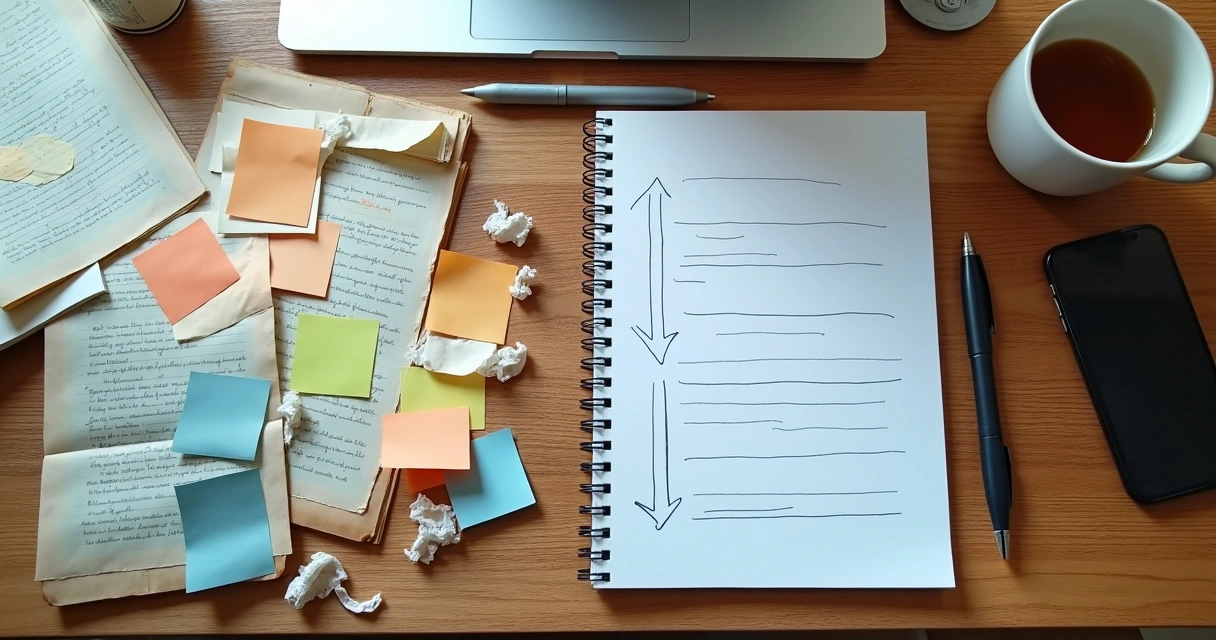
- Write about your patterns. Reflection on paper can help uncover hidden motivations. Ask: “When did this pattern begin? What purpose did it once serve?”
- Open space for new actions. When you notice an old habit, experiment with a new response, even in a tiny way.

We’re often surprised by what comes up when we slow down long enough to notice.
Liberating ourselves from autopilot
The process of moving from habit toward intention is ongoing. It is not about controlling every detail of life, nor about “fixing” ourselves. Instead, it’s about reclaiming ownership of what we can actually choose—moment by moment.
When we accept that some unconscious patterns once kept us safe, we can thank them and gently let them go when they no longer fit. This is the work of self-knowledge and personal maturity.

Conclusion: Choice, awareness, and alignment
We all move between intention and habit throughout our lives. Some routines serve us well, freeing up energy for rich, meaningful decisions elsewhere. Others keep us stuck, asking for our attention and gentle curiosity. The difference is presence. When we turn inward, question our routines, and listen deeply, new possibilities open up.
Each moment offers a chance to choose with clarity, rather than repeat from the past. If we meet ourselves with honesty and care, we can build a life that reflects not just where we’ve been, but who we are becoming.
Frequently asked questions
What is intentional living?
Intentional living means making choices that are guided by our values, desires, and self-awareness, rather than simply following routines or external expectations. It involves pausing, reflecting, and acting with a sense of purpose, even in small daily actions.
How can I break unconscious habits?
The first step is to notice the habit. Then, bring mindful awareness when it arises. Small changes—like pausing before acting, reflecting in a journal, or trying a new response—can loosen the grip of old patterns. Consistent, patient attention turns unconscious habits into conscious choices.
Why do habits override intentions?
Habits are powerful because they are built into the brain's wiring, offering comfort and saving mental energy. When we are stressed, tired, or distracted, we tend to default to familiar patterns, even when we have strong intentions to act differently.
Is it worth it to plan daily choices?
Planning daily choices can support intentional living by reducing reactive decisions and increasing alignment with our goals and values. While flexibility is helpful, having a plan helps us choose, rather than simply repeat, each day.
How to identify habits vs intentions?
Habits feel automatic and are often triggered by the same cues; intentions require a pause and a sense of active choice. If you find yourself acting before you even register a decision, it’s likely a habit. When you consciously weigh your options and act with awareness, that’s intention at work.