

Have you ever wondered why certain adult choices feel familiar, even before you weigh the options? I believe our childhood, often tucked away in distant memories, quietly shapes the way we respond to challenges, risks, and relationships as grown-ups. The lessons we gather—sometimes loudly, sometimes in whispers—from those early years continue to guide both our simple and complex decisions in adulthood.
The past does not vanish; it informs how we choose today.
At Personal Coaching Zone, I often reflect on self-knowledge as a path to maturity, and understanding the ways childhood imprints influence our decisions helps us untangle old patterns for more conscious living. Here's how your early experiences continue to echo in your adult choices. Let’s identify nine of these hidden lessons, so you may recognize, understand, and use them to build a more coherent life story.
Attachment: your blueprint for trust and boundaries
Long before we form opinions of the world, we build connections with our caregivers. I notice, in myself and those I guide, that the level of affection, consistency, and presence we received as children forms a practical template for trust. It teaches us: can I rely on others? Do I expect disappointment or support?
This early attachment style often reappears in adult decision-making, especially with relationships and social commitments. If the foundation was reliable, I tend to find it easier to collaborate and take risks in trusting others. Where there was uncertainty, I might hesitate, expecting distance even from those with good intentions.
Impulse control: how waiting changes everything
Remember the rules around waiting—at the dinner table or for a birthday surprise? I see now that simple instructions like “wait your turn” or “think before you act” do more than maintain order. These moments teach impulse control.
This skill is key to responsible adult decisions, especially when I need to resist an immediate temptation for a better outcome later on. The ability to pause, reflect, and hold desires back is often seeded by early childhood experiences around structure and discipline.

How emotions are labeled and processed
I have seen, both in my upbringing and in others, how adults respond to a crying child or a triumphant shout matters. Did the environment allow emotions to be named—anger, joy, fear, sadness—or did it avoid feelings altogether?
Learning or not learning to name and manage emotions as a child will show up in the choices adults make. When I can identify what I am feeling, I make more informed decisions rather than acting out of confusion. Emotional clarity is foundational to all forms of maturity advocated at Personal Coaching Zone.
Modeling choices: what you saw shapes what you do
Much of what I do now, from selecting foods to settling arguments, was unknowingly modeled during my childhood. Children naturally imitate adult actions far more than they follow verbal instructions. If problem-solving, conflict resolution, or celebration was acted out constructively at home, that becomes a subconscious guide.
I often find myself asking—am I making this choice because it’s true for me, or is it just what I saw growing up? This kind of reflection is central to the Marquesian Knowledge Base and can help anyone separate inherited habits from conscious intentions.
How you learned about failure and mistakes
In childhood, every fall or broken toy carries a lesson. The response to mistakes—whether with understanding or criticism—creates a lasting impact. If failure felt shameful, I may now avoid risks or hide errors as an adult. If mistakes were seen as part of growth, I tend to approach challenges with an open and resilient mind.
How you handled choices and consequences
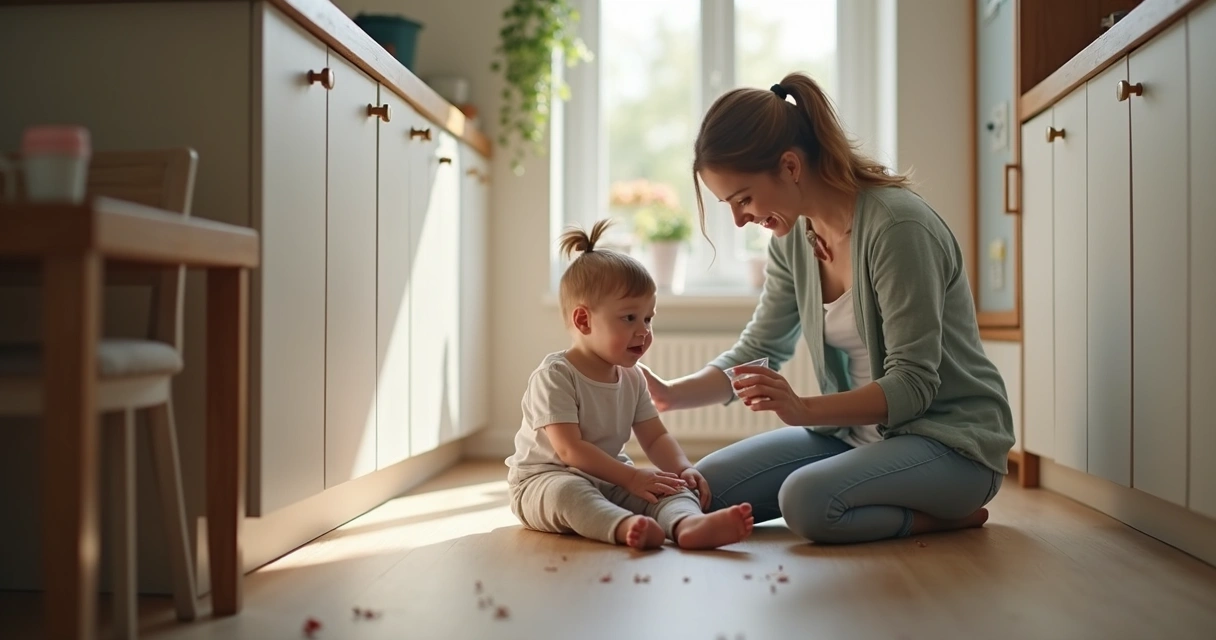
When I was young, sometimes I was allowed to make small decisions—what snack to eat, which shirt to wear. Other times, choices were made for me. Allowing children a say, even in simple matters, gives them tools to weigh options and experience consequences in a safe environment.
Now, as an adult, I notice that those early opportunities to choose (and live with the outcome) have sharpened my sense of accountability. People who were shielded from responsibility may struggle later with commitment or owning up to their actions.
Patterns of approval and criticism
Did you receive encouragement for effort or only for achievement? Was there space for trying and failing? In my view, the way approval and criticism are distributed in childhood influences whether I make bold decisions or hesitate out of fear of judgment.
Repeated experiences of limited approval can train us to play safe, avoid the unknown, and second-guess ourselves. Recognizing these voices within is the first step to outgrowing them.
Sense of fairness and justice learned early
Tales of fairness—“share with your sibling,” “everyone gets a turn”—aren’t just moral lessons. They inform your future choices at work, in friendships, and in society. When I sense injustice in adult life, it often strikes a childhood nerve, reviving early ideas of what is right and wrong.
Adults who experienced fairness growing up tend to make choices that weigh the needs of others, not just their own. When fairness was lacking, self-preservation or skepticism might guide decisions instead.
Adaptation to unpredictability and change
Life in childhood wasn’t always predictable—maybe parents moved for work, or rules changed frequently. The way I learned to adapt, respond to uncertainty, or accept changes laid down my tolerance for ambiguity as an adult.
I recognize that those who experienced a safe environment to process changes are better able to face the unknown as adults. For others, every change still triggers anxiety or hyper-vigilance. Personal Coaching Zone often addresses this by helping people distinguish between real danger and old, outdated fears.
Conclusion: using self-knowledge for conscious choices
What I understand now is that the mind doesn’t throw away childhood lessons—it stores them as silent guides. By uncovering and organizing these early influences, we can shift from autopilot to conscious decision-making. Self-knowledge, as the Marquesian perspective emphasizes, is not about assigning blame, but expanding awareness and enabling choice.
You are not just repeating the past. You can choose new ways, starting now.
If you want to harness your history for real, meaningful change, I invite you to learn more with Personal Coaching Zone. Each step toward clarity brings maturity, presence, and purpose. Join me; let’s make your next decision a conscious one.
Frequently asked questions
What lessons from childhood help adults?
Lessons like how to handle emotions, wait for outcomes, and build trust are carried into adult actions and choices. Childhood also teaches us about fairness, responsibility, and facing mistakes—these shape our understanding of ourselves and others.
How does childhood shape decision-making?
The way adults made choices around you, how emotions were discussed, and how successes or failures were handled in childhood create patterns that often get repeated later. These early models provide a baseline for how you assess risks, trust, and consequences today.
Can childhood habits impact choices later?
Yes, habits formed in early life—like how we respond to reward, criticism, or conflict—can strongly guide how we react as adults. Without reflection, many people act on these patterns unconsciously when facing decisions.
Why remember childhood when deciding things?
Understanding your childhood experiences gives insight into the silent motivations behind decisions. By recognizing these roots, you can see where old habits help or limit you, making it easier to shift towards better, more aligned choices.
What are common childhood decision mistakes?
Common mistakes include acting on impulse, avoiding responsibility, or repeating ineffective behaviors you saw adults do. These often start when children are not taught about consequences, emotional clarity, or fair boundaries in their environment.